

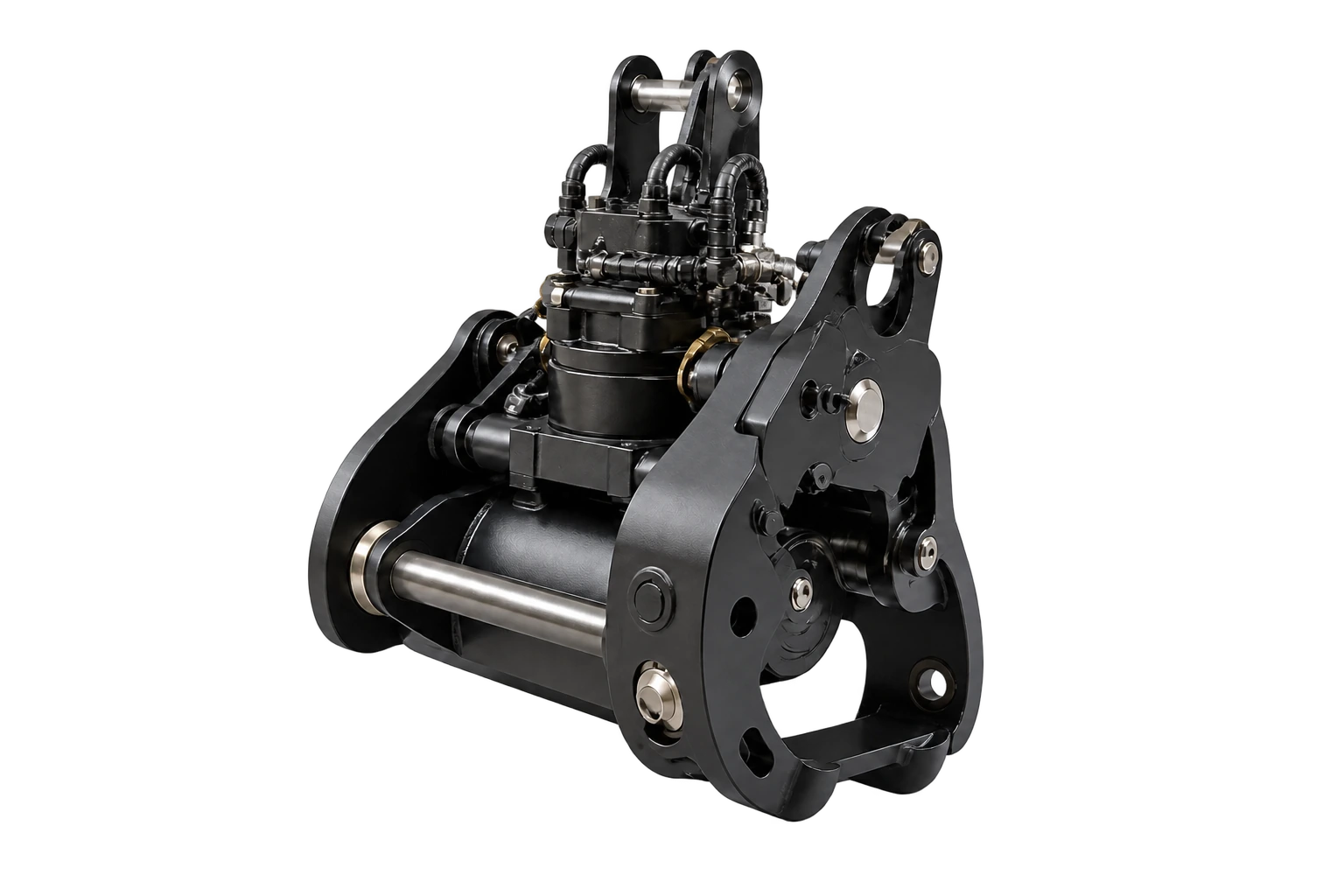
Hydraulic Kit Type
Rotate / Tilt
Dedicated low-flow hydraulic circuits for rotating and tilting excavator attachments, available as a stand-alone system or secondary circuit.
Attachment-Ready Hydraulic Solutions
Compare HKX hydraulic kit types by attachment function, circuit direction, flow requirements, controls, and installation approach—then confirm the exact excavator and tool with an HKX specialist.
Browse Hydraulic Kit Types
Explore single-function, combination, rotating, and custom hydraulic systems. Each page explains the published HKX configuration, typical attachments, controls, options, routing, and information needed to plan a kit.
Hydraulic Kit Type
Dedicated low-flow hydraulic circuits for rotating and tilting excavator attachments, available as a stand-alone system or secondary circuit.
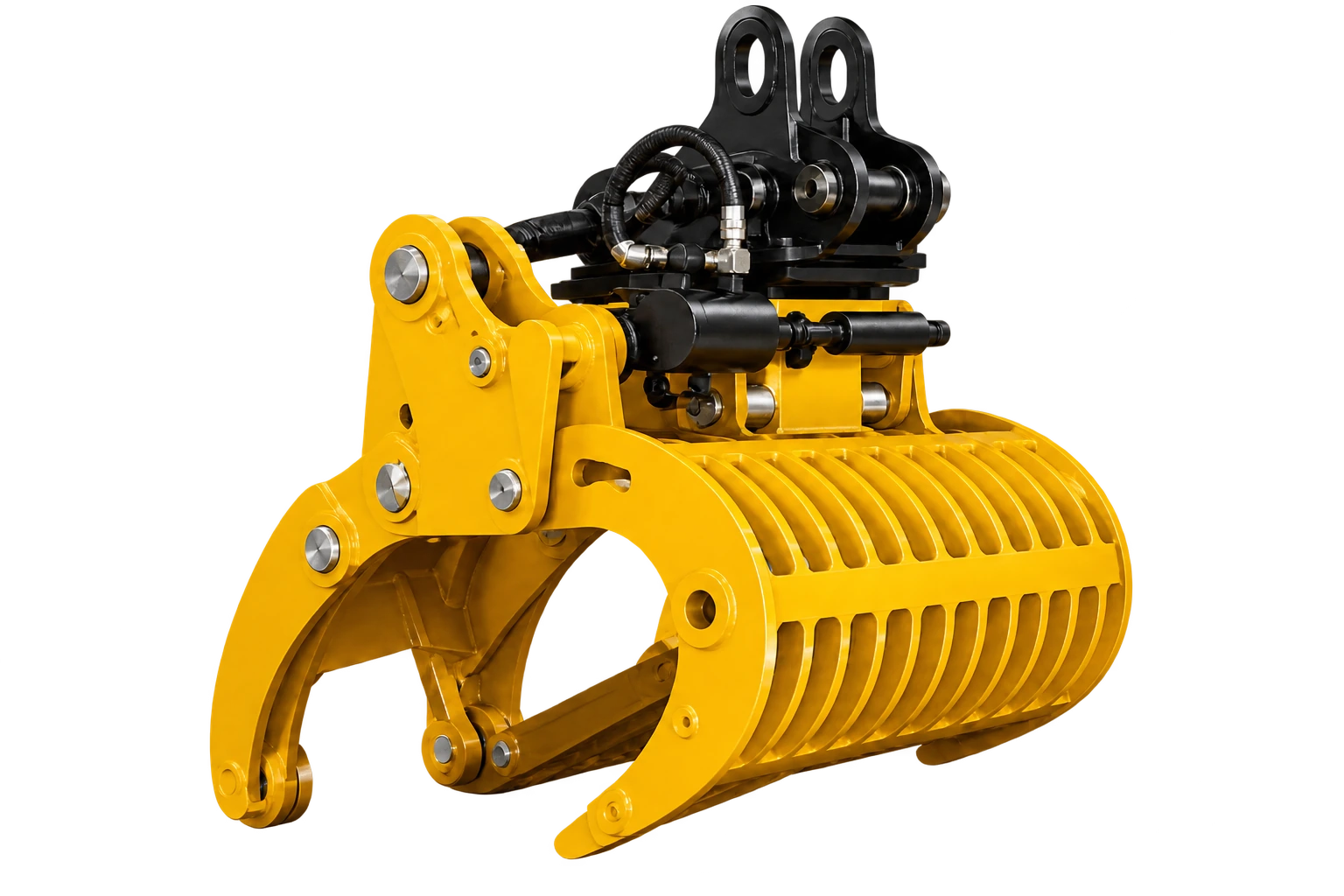
Hydraulic Kit Type
Machine-specific double-acting hydraulic kits for excavator thumbs and under-mount grapples, with prepared boom plumbing and control options.
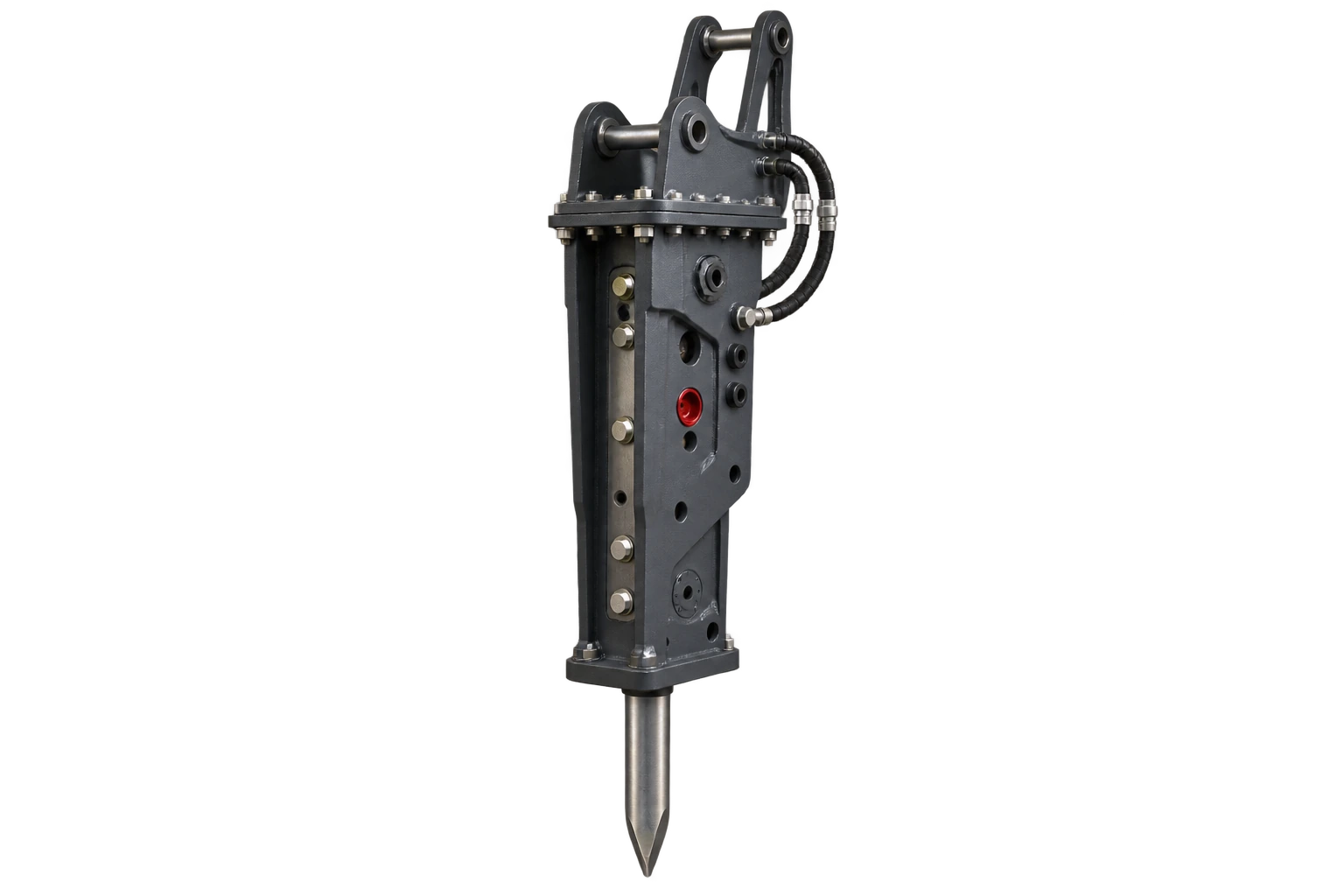
Hydraulic Kit Type
High-flow single-acting auxiliary hydraulic kits for breakers, compactors, mowers, pile drivers, and other one-way oil attachments.
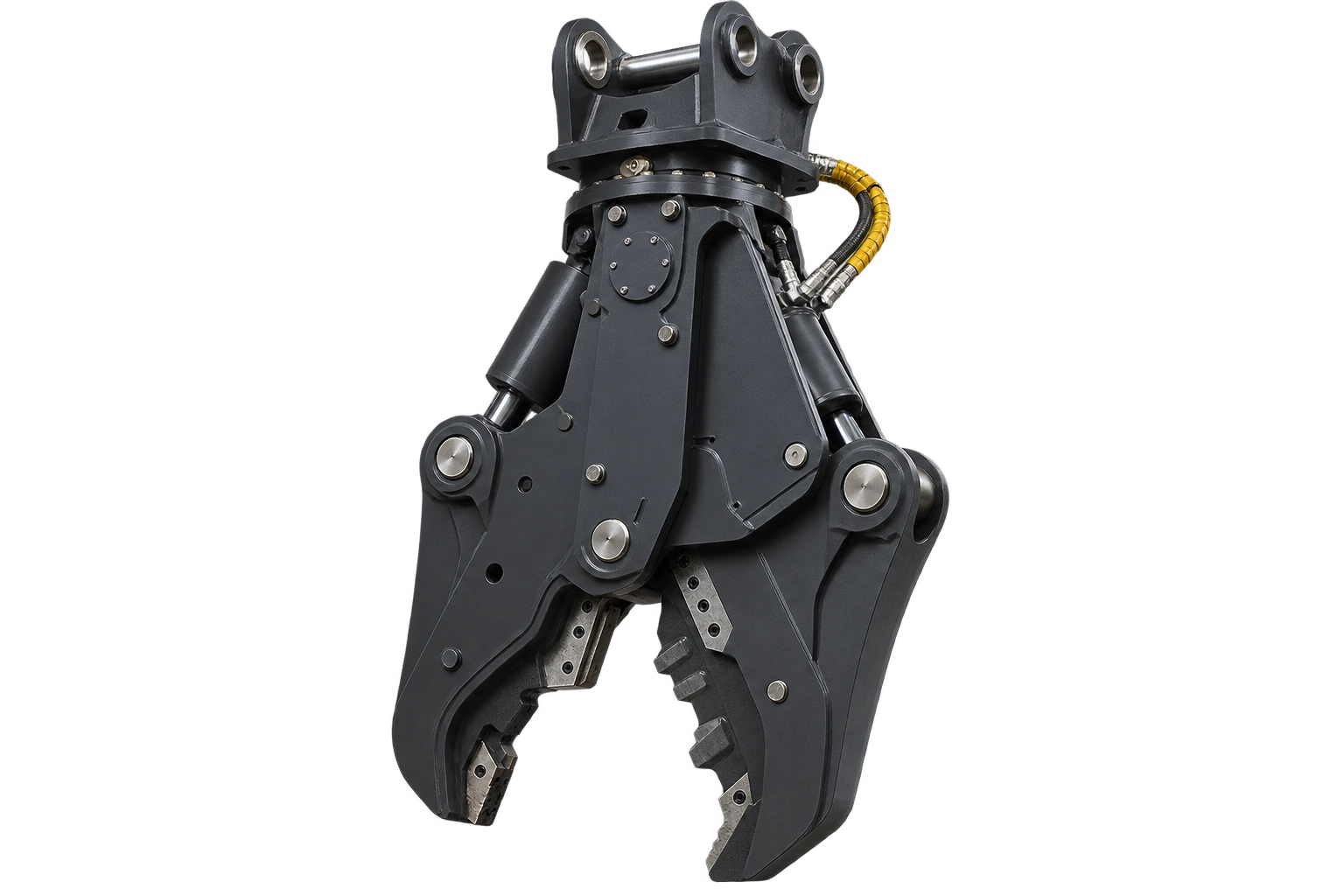
Hydraulic Kit Type
High-flow double-acting hydraulic kits for shears, crushers, pulverizers, augers, and other two-way excavator attachments.
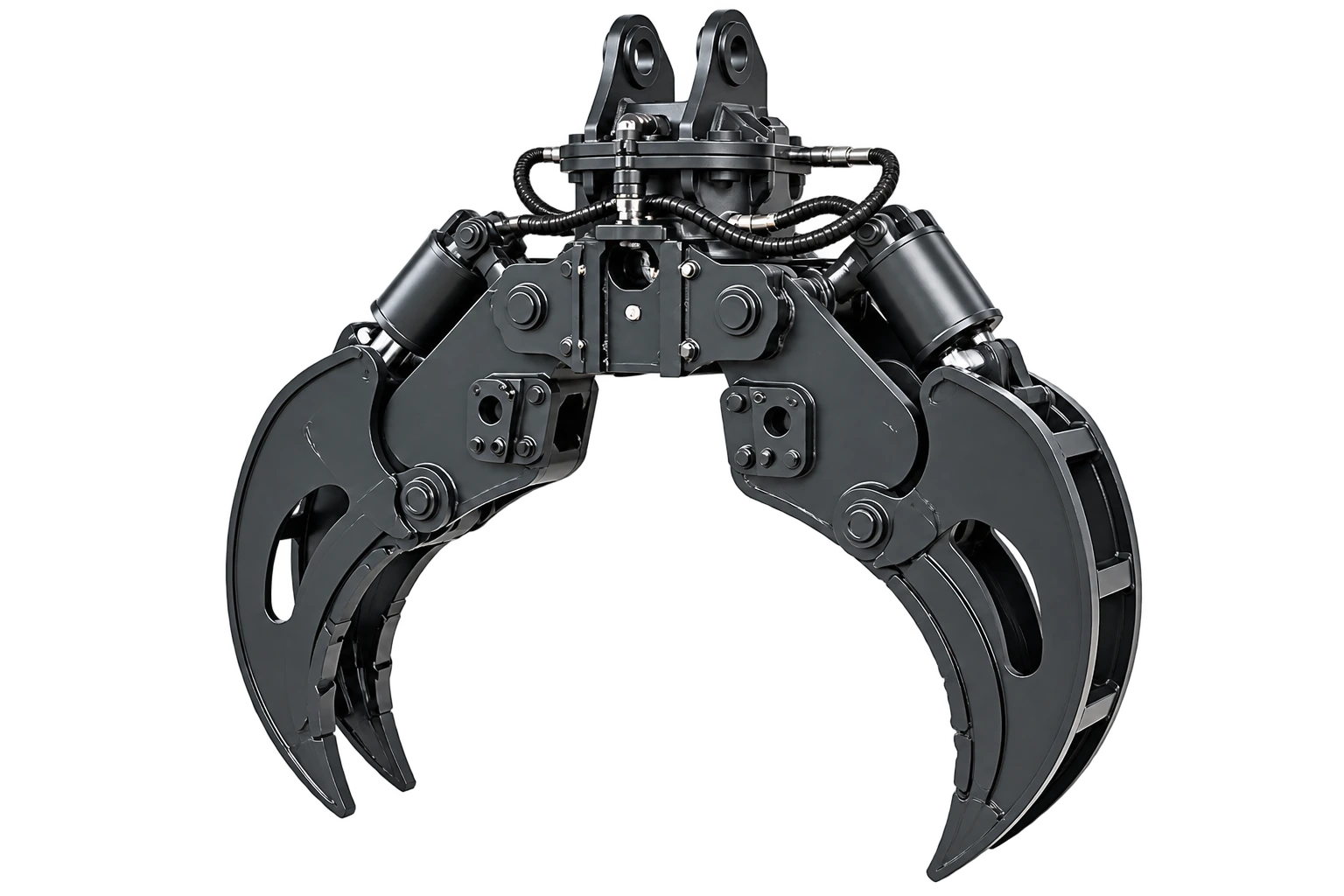
Hydraulic Kit Type
Upgradeable combination kits that switch one auxiliary circuit between single-acting breaker work and double-acting shear applications.
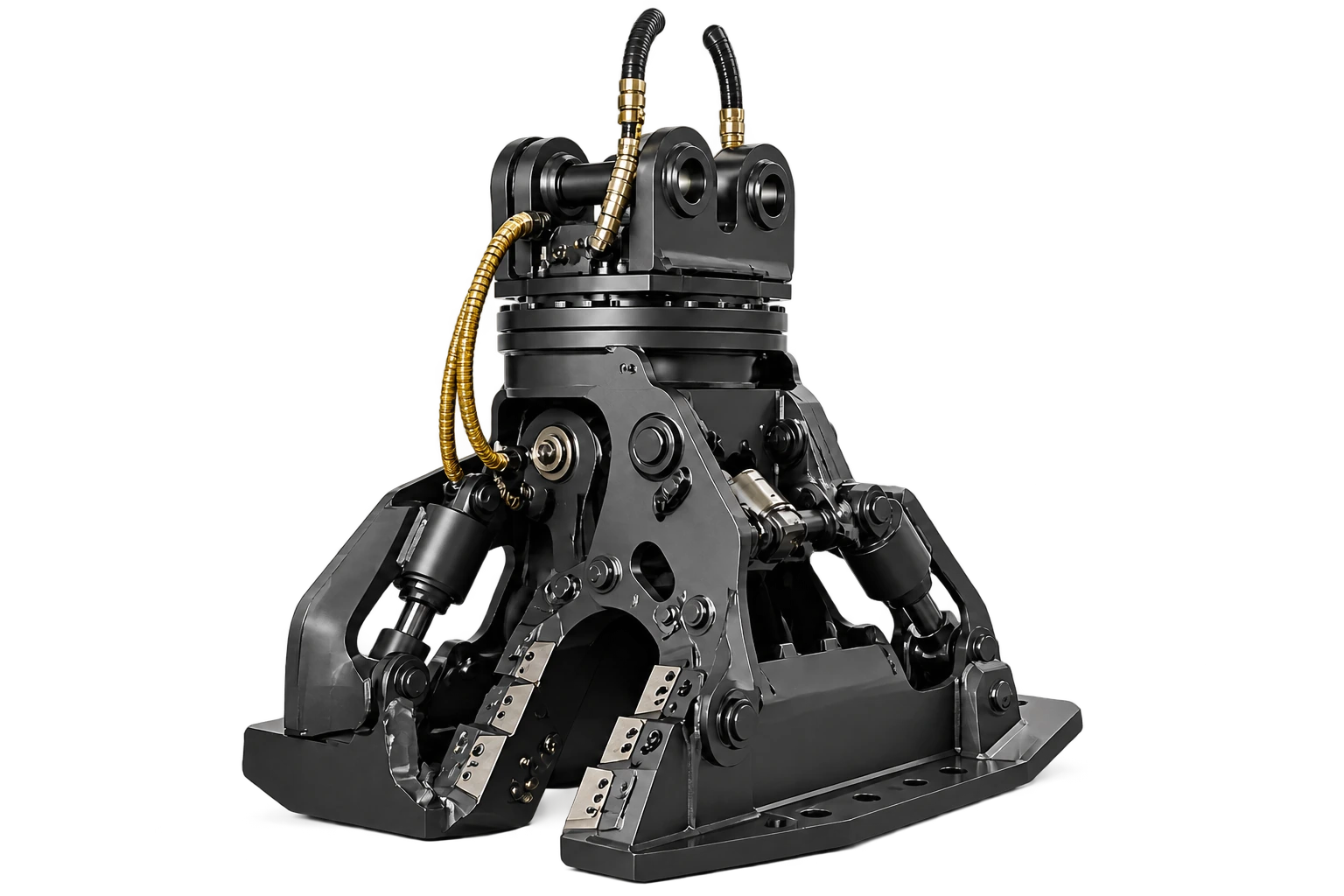
Hydraulic Kit Type
Two-circuit hydraulic systems combining high-flow shear operation with a dedicated low-flow circuit for attachment rotation.
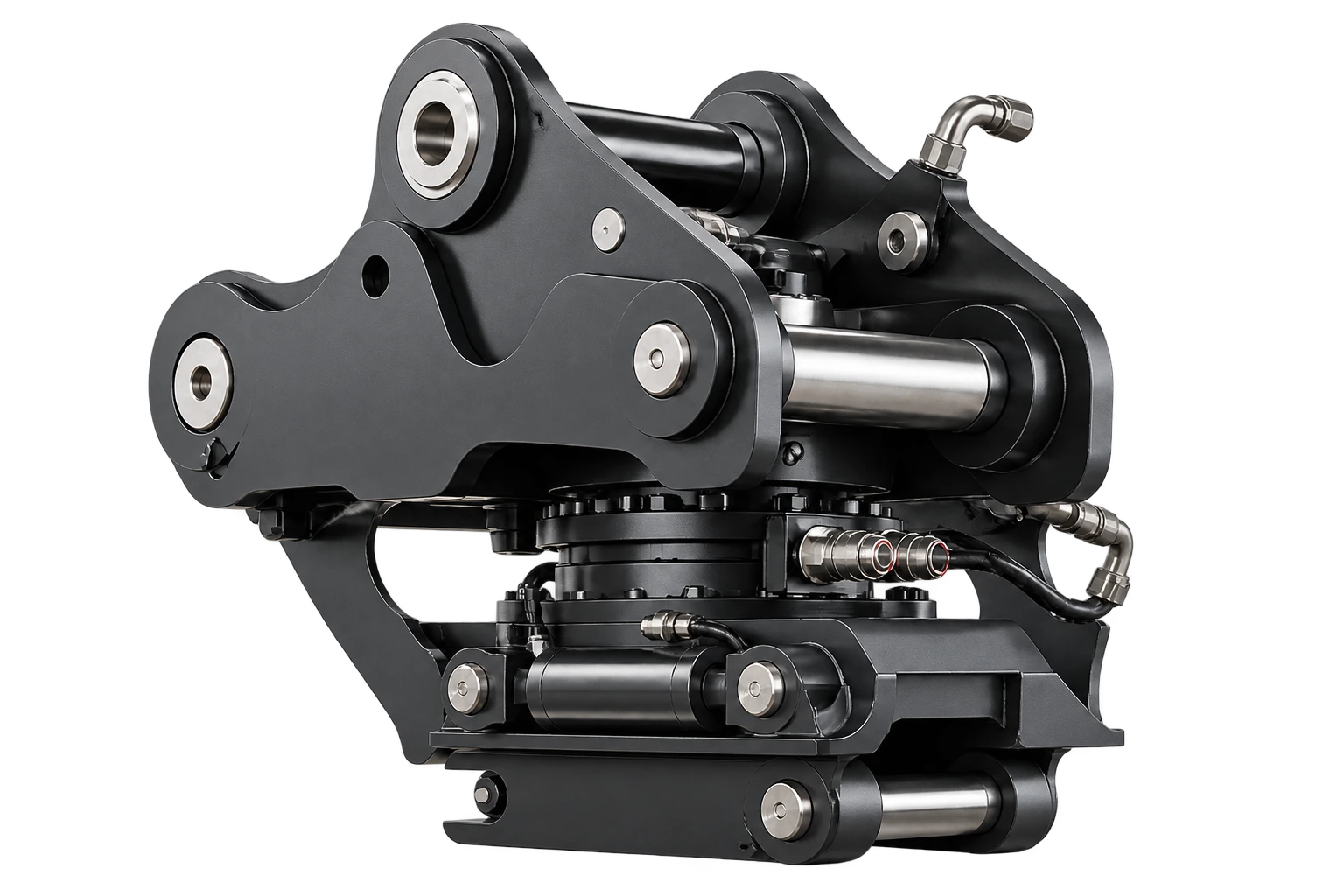
Hydraulic Kit Type
Two-circuit hydraulic kits combining a selectable breaker or shear primary circuit with dedicated two-way attachment rotation.
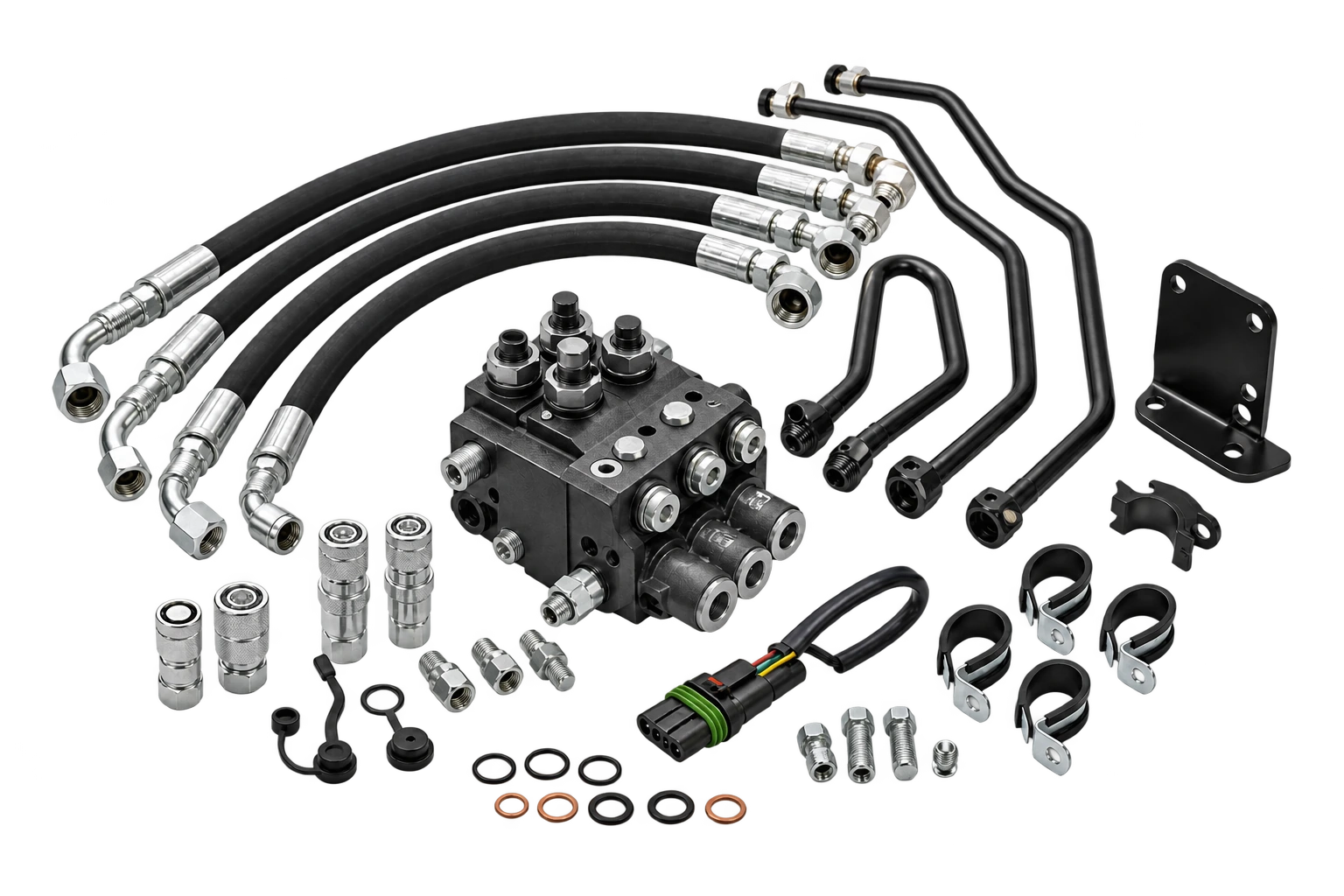
Hydraulic Kit Type
Purpose-built hydraulic solutions for uncommon attachments, legacy excavators, circuit conversions, and applications outside standard kit configurations.
Machine & Attachment Matching
Share the excavator model and serial number, attachment make and model, required functions, and current hydraulic setup. HKX can help identify the most practical next step.